
Understanding MOFA Attestation: Types & Process
Learn about MOFA attestation, the various types of documents that can be attested for international use, and the MOFA attestation process. Ensure your documents meet the necessary requirements for global recognition.
9/5/20257 min read
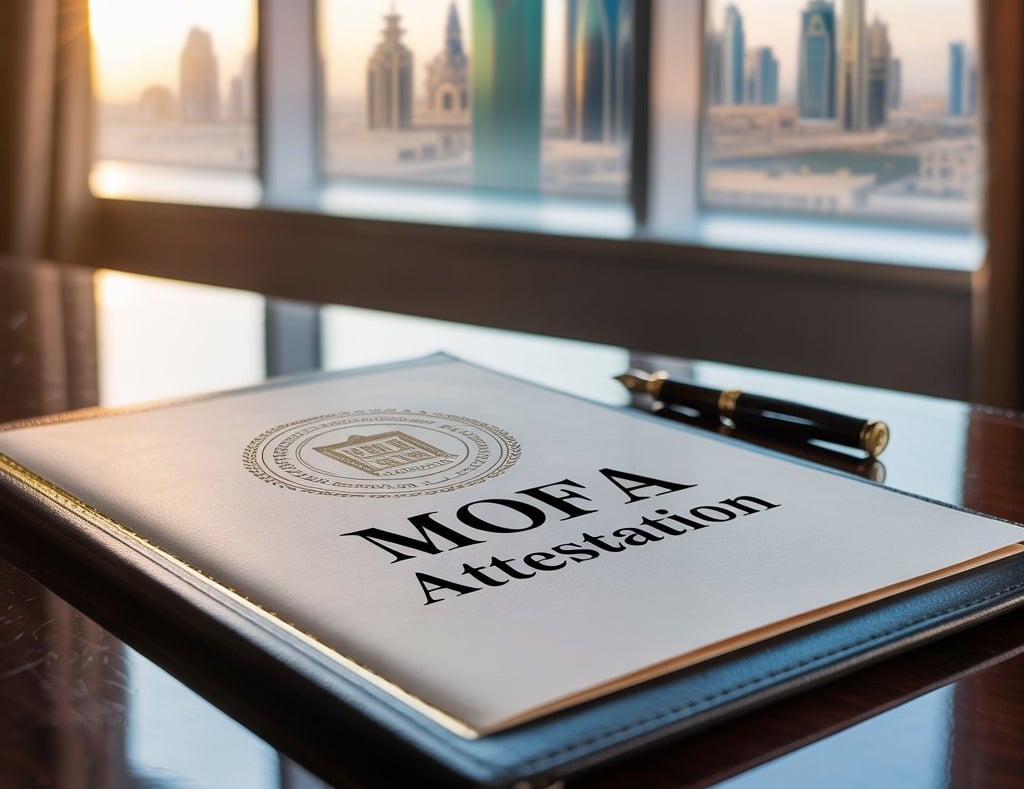

Introduction to MOFA Attestation
The Ministry of Foreign Affairs (MOFA) attestation process plays a crucial role in the international validation of documents. This official procedure is designed to authenticate various types of documents, ensuring they are recognized not only by the government of the country issuing them but also by foreign governments and institutions. The significance of the MOFA attestation lies in its ability to lend credibility and legitimacy to documents intended for use abroad, paving the way for smoother interactions in international contexts.
MOFA attestation is particularly essential for expatriates, individuals, and businesses that seek to utilize their documents outside their home countries. Commonly attested documents include educational certificates, marriage certificates, commercial documents, and personal identification papers. By securing MOFA attestation, individuals can ensure that their documents meet the necessary legal standards required by foreign entities, thus preventing potential disputes or rejections during critical processes like job applications, visa procedures, or legal transactions.
Moreover, the MOFA attestation process often serves as a critical step before further authentication by embassies or consulates. This multi-tiered verification ensures that documents are not only valid but also compliant with the standards set by the foreign government in question. Therefore, the MOFA attestation process acts as a safeguard, reinforcing the integrity of the documentation used by individuals abroad.
In conclusion, understanding the MOFA attestation procedure is essential for those who require their documents to be used internationally. This process streamlines the validation of essential documents, thereby supporting expatriates and individuals in navigating legal and bureaucratic challenges while abroad.
Importance of Document Attestation
Document attestation is a pivotal process in today's globalized world, especially for individuals seeking to use their documents abroad. Whether one is relocating for employment, furthering education, or even getting married in a foreign country, the necessity for attested documents cannot be overstated. Attestation serves as an essential mechanism that verifies the authenticity of personal and professional documents, ensuring they are acceptable to foreign authorities.
At its core, document attestation involves a series of steps undertaken by various governmental agencies to confirm that the documents are genuine and adhere to legal standards. For instance, education certificates, birth and marriage certificates, and even business documents often require attestation to validate their legitimacy. When such validation is absent, individuals may encounter significant obstacles, such as legal challenges, rejection of documents, or refusals for visa applications. This underscores the importance of ensuring that essential documents are properly attested before any international dealings.
The consequences of failing to obtain document attestation can be dire. An individual may face delays in visa processing, denial of employment offers, or issues with registration in educational institutions abroad. Without attestation, authorities may presume the documents to be fraudulent or inaccurate, resulting in a breakdown of trust that could complicate legal matters or hinder access to essential services. Furthermore, many countries maintain strict regulations regarding the acceptance of foreign documents; thus, attestation acts as a safeguard against potential non-compliance or misunderstandings.
In conclusion, the importance of document attestation cannot be ignored. It facilitates the smooth transition of individuals into foreign environments by ensuring that their documents are recognized and respected, thereby minimizing conflicts and enhancing credibility.
Types of Documents Eligible for MOFA Attestation
The Ministry of Foreign Affairs (MOFA) provides attestation services for a variety of documents that are essential for international use. Understanding the different categories of documents eligible for attestation can help individuals and businesses navigate the complex requirements for foreign legal and administrative processes.
One of the primary categories includes personal documents. Personal documents such as birth certificates, marriage certificates, and divorce decrees are frequently required for a range of purposes, such as visa applications, immigration procedures, and civil status verification in foreign jurisdictions. Attesting these documents ensures that they are recognized as legitimate in the country of use, thus facilitating personal transitions in new environments.
Another significant category encompasses educational documents. This includes degrees, diplomas, transcripts, and certificates of completion. Many institutions and employers abroad require verification of educational achievements to ensure credentials are valid. MOFA attestation for educational documents not only verifies the authenticity of the qualifications but also enhances employability and prospects for further education in foreign nations.
Lastly, commercial documents also fall under the scope of MOFA attestation. This category primarily consists of contracts, invoices, business licenses, and company sponsorship letters. When engaging in international trade or business ventures, these documents often need to be attested to assure foreign partners of their legitimacy. Such attestation can aid in preventing disputes and ensuring compliance with local regulations, thus fostering a smooth business relationship.
In summary, the range of documents eligible for MOFA attestation extends across personal, educational, and commercial categories. Understanding these types facilitates smoother processes and adds credibility in international engagements.
The MOFA Attestation Process
The process of obtaining MOFA attestation is crucial for ensuring that documents are recognized for international use. To start, individuals must first verify that the documents requiring attestation are eligible. Commonly attested documents include educational certificates, marriage certificates, commercial papers, and various legal documents. Before proceeding, applicants should confirm the requirements based on the destination country’s regulations, as these can vary significantly.
Once eligibility is confirmed, the next step involves gathering the necessary paperwork. This typically includes the original document, a photocopy, and a government-issued identification document. Additionally, some documents may require prior authentication from specific authorities, such as the Ministry of Education for academic certificates or the Ministry of Foreign Affairs for legal documents.
Filling out the application form is the subsequent step. Applicants should ensure that all sections are completed accurately, as incomplete forms can delay the attestation process. It is recommended to double-check the information against the original documents to avoid discrepancies. After this, the application form and the accompanying documents need to be submitted to the relevant MOFA office or an authorized service provider.
Fees associated with the MOFA attestation process can vary depending on the type of document and the urgency of the service required. It is essential to confirm the exact fees and modes of payment beforehand. Timeframes for processing can also differ, ranging from a few hours for urgent requests to several days for standard processing. Therefore, it is advisable to plan ahead and ensure that all documents are ready in advance to facilitate a smooth attestation process. The entire process is designed to uphold the integrity of documents, ensuring their credibility in international settings.
Common Challenges in Document Attestation
Document attestation, particularly through the Ministry of Foreign Affairs (MOFA), is a crucial process for individuals seeking to utilize their documents internationally. However, several challenges can arise during this procedure. One prevalent issue is discrepancies within the documents themselves. Such inconsistencies can include variations in names, dates, or other critical information that may lead to misunderstandings or rejections during the attestation process. It is vital to ensure that all documents are accurate and consistent prior to submission.
Navigating the bureaucratic procedures associated with MOFA attestation can also present challenges. The process is often laden with red tape and may require careful attention to detail. Documents may need to undergo a series of approvals from different governing bodies, including educational institutions, notaries, and embassies, depending on their nature. This extensive pathway can lead to delays and confusion, particularly for individuals unfamiliar with the legal requirements associated with international document validation.
Moreover, varying requirements from different countries add another layer of complexity to the attestation process. Each nation has its own set of regulations and expectations regarding accepted documents, leading to the potential for misunderstandings. It is essential for individuals to thoroughly research the specific attestation requirements of the country where their documents will be presented. This knowledge helps prepare the necessary documents correctly and avoid unnecessary complications.
To overcome these challenges, individuals should consider seeking professional assistance. Legal experts or attestation services can provide valuable guidance throughout the process, ensuring that all documents are in order and comply with the required standards. Additionally, maintaining clear communication with the relevant authorities can help clarify any uncertainties that may arise during the attestation procedure.
How to Verify MOFA Attestation
Verifying the authenticity of MOFA attestation is crucial for individuals seeking to use documents internationally. This verification process ensures that the documents have been duly authenticated by the Ministry of Foreign Affairs (MOFA) of the respective country, thus safeguarding against possible fraud or misrepresentation. There are several established methods to conduct this verification effectively.
First and foremost, individuals can utilize official verification channels provided by the MOFA. Many nations have dedicated departments or online portals designed for this purpose. By visiting the official website of the Ministry of Foreign Affairs, individuals can often find a verification tool that allows them to input their attestation details, such as document number and date of issue. It is advisable to familiarize oneself with the specific guidelines relevant to the country issuing the attestation, as procedures can vary significantly between regions.
In addition to official websites, checking online databases is another effective method for verifying MOFA attestation. Some countries maintain a centralized registry of all documents attested through the MOFA. Accessing these databases may require creating an account or submitting a formal request for information. However, being listed in such a database serves as a solid confirmation of a document’s legitimacy.
Moreover, keeping attestation receipts is paramount. Every attestation process typically concludes with the issuance of a receipt or confirmation document. This receipt contains crucial information about the attestation, including reference numbers and contact details for verification purposes. In case of any discrepancies or challenges faced during the verification process, retaining these receipts can facilitate easier resolution by providing the necessary information to the relevant authorities.
Conclusion and Final Thoughts
In today's interconnected world, the importance of MOFA attestation cannot be overstated. The Ministry of Foreign Affairs (MOFA) attestation serves as a crucial step in validating documents intended for international use, ensuring that they are recognized and accepted by foreign governments and institutions. This process not only applies to personal documents such as birth and marriage certificates but also extends to academic and commercial documents, thereby facilitating smoother cross-border interactions.
Understanding the types of documents that require attestation and the specific procedures involved is integral for individuals and businesses alike. Each country has distinct requirements regarding document attestation, and these can change over time. As the landscape of international regulations evolves, staying informed about MOFA attestation requirements is essential for those planning to work, study, or relocate abroad.
Furthermore, as the intricacies of the attestation process can be daunting, many choose to seek professional assistance. By consulting experts in the field, individuals can navigate the complexities of document verification more effectively, ensuring compliance with all necessary regulations. Professional services can streamline the attestation process, saving time and reducing the risk of errors, which may lead to delays or complications.
In conclusion, being well-informed about MOFA attestation and its significance is paramount for anyone seeking to utilize their documents internationally. Proper attestation not only enhances the legitimacy of documents but also fosters trust and credibility in global interactions. Engaging professionals when needed can help simplify the process and ensure that all requirements are met efficiently. As you prepare for your international endeavors, prioritizing document attestation will pave the way for smoother transactions and opportunities abroad.
Attestation
Expert guidance for MOFA document attestation.
Contact us on:-
Services
+91 92107 76391
© 2025. All rights reserved.