
Qatar Embassy Attestation Made Simple in 2025
Discover everything you need to know about Qatar embassy attestation in 2025. Our comprehensive guide simplifies the process, ensuring you have all the necessary information for a smooth attestation experience.
12/11/20257 min read
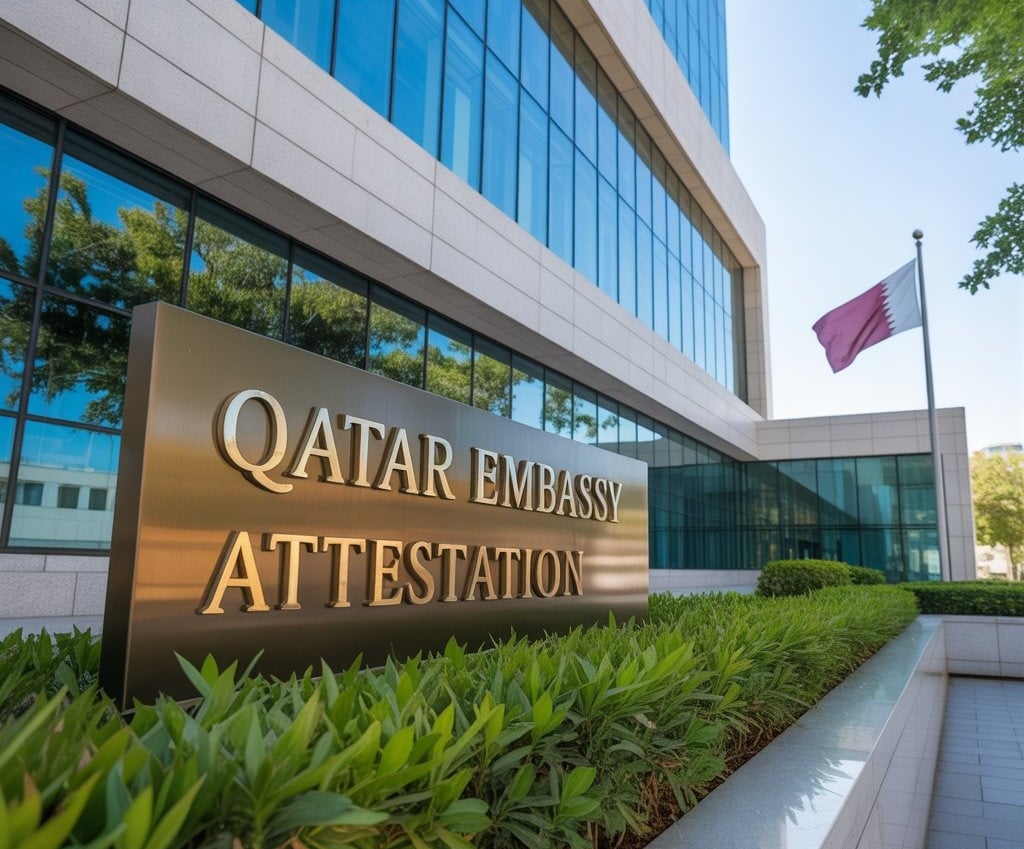
Understanding Embassy Attestation
Embassy attestation refers to the formal process by which a document is verified and endorsed by an embassy or consulate. This procedure serves as a means of validating the authenticity of various documents intended for use in foreign jurisdictions, particularly in Qatar. The significance of embassy attestation cannot be overstated, as it is a crucial step in ensuring that the legal status and credibility of a document are recognized internationally. This validation is essential for a wide range of purposes, including employment, education, and immigration.
Common types of documents that require embassy attestation include educational certificates, marriage certificates, birth certificates, and commercial documents. Each of these documents may hold crucial importance in legal or administrative contexts. For instance, educational qualifications often necessitate attestation for individuals seeking employment or further studies abroad, whereas marriage and birth certificates are vital for family reunification processes, immigration, or legal recognition of status in Qatar.
The legal framework surrounding embassy attestation is designed to ensure that documents are thoroughly examined for authenticity and legality. This process typically involves several steps beginning with notarization at the local level, followed by verification by the Ministry of Foreign Affairs in the originating country, and culminating with the endorsement from the relevant Qatari embassy or consulate. Individuals or businesses may seek this service to comply with local laws, facilitate international transactions, or streamline administrative procedures. By providing a clear authentication pathway through embassy attestation, Qatar endorses a structured approach to the acceptance of foreign documents, thereby ensuring legal consistency in cross-border dealings.
The Attestation Process Explained
Obtaining an attestation through the Qatar embassy is an essential step for individuals seeking to ensure the authenticity of their documents for various purposes, such as employment, education, or immigration. The process, while straightforward, requires careful attention to detail and adherence to specific guidelines to ensure successful completion.
The first step in the attestation process is document preparation. It is crucial to gather all necessary documents that require attestation. These may include educational certificates, marriage documents, or professional licenses. Once the documents are assembled, applicants must ensure they are in the correct format as specified by the Qatar embassy. This may involve notarization or pre-attestation from relevant local authorities.
After preparing the documents, the next step is verification. This may entail confirming the authenticity of the original documents through the issuing authorities. Some documents might require an additional layer of authentication, such as a seal or stamp from the relevant government department. Applicants should keep track of processing times during this stage, as it can vary depending on the document type and authority involved.
Once the documents are verified, applicants can proceed to schedule an appointment at the Qatar embassy. It is advisable to book this appointment in advance, as availability may be limited. During the appointment, applicants will submit their documents for attestation and pay any required fees. Fees can differ based on the type of document and the urgency of the service requested, so individuals should inquire about the specific costs applicable to their situation.
Timing is critical during the application process. Applicants should anticipate a waiting period for processing, which can range from a few days to several weeks, depending on the volume of requests at the embassy. Being well-prepared and understanding the timelines involved can simplify the attestation process and minimize any potential delays.
Required Documents for Attestation
When seeking embassy attestation in Qatar, it is essential to gather specific documents that satisfy the requirements set forth by the Qatar embassy. The type of document presented for attestation will largely depend on the purpose of attestation, which may include educational, personal, or commercial intents. Below is a breakdown of the primary categories of documents along with the specific requirements for each.
Firstly, educational certificates are critical for individuals who wish to validate their academic qualifications. These typically include diplomas, degrees, and transcripts. The Qatar embassy mandates that these documents be issued by recognized institutions. Furthermore, it's advisable to have them attested by the relevant educational authority in the issuing country before submitting them for embassy attestation.
Secondly, for civil matters such as marriage, divorce, or birth, applicants must present marriage licenses, divorce decrees, and birth certificates. In this regard, it is important to ensure that these documents are translated into Arabic or English, depending on the requirements of the Qatar embassy. The translation must come from a certified translator to be accepted for processing.
Additionally, commercial documents, including company registration certificates, business contracts, and financial statements, need to be prepared for attestation when dealing with business affairs in Qatar. The embassy requires these documents to be notarized and approved by the relevant local authorities in the country of origin before submission. Accompanying documents should include a cover letter outlining the purpose of the attestation.
Overall, ensuring that all documentation is correctly prepared and complies with the Qatar embassy's stipulated formats can greatly simplify the attestation process. By following these guidelines and obtaining the necessary certifications, individuals can navigate their applications for embassy attestation smoothly and efficiently.
Common Challenges and How to Overcome Them
When navigating the process of Qatar embassy attestation, individuals often encounter several common challenges that can hinder their progress. One frequent issue involves document discrepancies. It is vital to ensure that all documents submitted for attestation are accurate and consistent. To avoid delays, thoroughly review all paperwork beforehand. This includes checking names, dates, and any required signatures. If you discover any discrepancies, rectify them prior to submission to reduce the potential for complications later on.
Another challenge often arises from misunderstandings regarding the requirements for Qatar embassy attestation. Applicants may not be fully aware of the specific documents needed or the procedures involved. To counter this, it is advisable to consult official government websites or contact the embassy directly for the most current and accurate information. Familiarizing yourself with the requisite documents can significantly streamline the process, minimizing the risk of submitting incomplete applications that could lead to unnecessary delays.
Delays are perhaps the most frustrating challenge faced during the attestation process. These delays can stem from various factors including operational hours, high volume of requests, or even holidays. To mitigate this, applicants should plan ahead. Submitting your documents well in advance of any deadlines is an effective way to avoid last-minute scrambles. Additionally, utilizing tracking services or appointing a trusted agency to handle the attestation can help keep you informed about the status of your submission, allowing for timely follow-ups if needed.
By being proactive about these challenges and implementing the suggested strategies, individuals can navigate the Qatar embassy attestation process with greater ease and efficiency, ultimately achieving their objectives in a timely manner.
Cost and Timeline for Attestation Services
Understanding the costs associated with embassy attestation services is crucial for individuals and organizations. The estimated costs can vary significantly based on several factors, including the type of document, the processing urgency, and additional service requirements. For standard documents such as educational certificates or marriage licenses, fees typically range from $100 to $300. However, for more complex documents or legal paperwork, costs may escalate to $500 or more.
It is also important to note that these fees may not include additional charges from third-party services such as courier or translation services, which can add an extra layer of cost. Furthermore, many embassies and consulates offer expedited services for those who require faster processing of their attestation requests. This expedited service generally incurs an additional fee, which can range widely based on how quickly the document is needed. Prices for express services can be anywhere from 50 to 150 percent higher than regular processing fees.
When planning for attestation, timelines are equally critical. The average processing time for standard attestation services generally spans between 5 to 10 business days. However, this time frame can extend if additional verification steps are required or if the document is particularly complex. Those opting for expedited services may reduce the processing time to as little as 1 to 3 business days. It is advisable to consult with the embassy or attestation agency for specific timelines associated with various documents, as these can be subject to change based on seasonal demands or operational considerations.
By understanding both the financial implications and the expected timelines for project completion, individuals can effectively budget and plan for their attestation needs in 2025.
Post-Attestation: Next Steps
Once the embassy attestation process is completed, individuals and businesses are tasked with crucial steps that ensure the documents are utilized effectively. The first important action is to protect the attested documents. This not only involves storing them in a safe place but also considering digital copies to mitigate the risk of loss or damage. Many professionals recommend using secure cloud storage solutions or encrypted drives, which can provide additional layers of protection.
Furthermore, maintaining copies of all attested documents is essential. This practice can avoid complications in scenarios where the original documents are lost or destroyed. Keeping both hard copies and digital backups ensures that individuals and businesses have immediate access to necessary paperwork whenever required. In the event of verification requests or legal proceedings, having these copies on hand can prove invaluable.
In addition to safeguarding the attested documents, understanding any potential additional steps is vital, particularly based on the specific use of these documents in Qatar. For instance, some documents may require further authentication by local authorities or registration with relevant government bodies before they can be fully accepted in official transactions. It is advisable to consult with local experts or legal advisors who specialize in document utilization in Qatar to ensure compliance with local regulations.
Moreover, engaging with relevant stakeholders, such as employers or educational institutions, can provide clarity on the specific requirements for document usage. Each context may have its nuances, making it important to stay informed about any updates or changes in policy that could affect how attested documents are treated in various settings within Qatar.
Resources and Contacts for Assistance
Embarking on the attestation journey can often seem daunting, especially for those unfamiliar with the process. To facilitate this journey, it is essential to have access to reliable resources and contacts that can provide valuable support. The Qatar embassy is a primary source of information regarding the attestation of documents. The embassy's official website features detailed guidelines, forms, and frequently asked questions that can clarify many aspects of the attestation process. Here is the contact information for the Qatar embassy:
Qatar Embassy in [Your Country]
Address: [Insert Address Here]
Phone: [Insert Phone Number Here]
Email: [Insert Email Address Here]
Website: [Insert Official Website URL Here]
In addition to the embassy, various government portals are available that guide users through the attestation requirements specific to their documents. Websites such as the Ministry of Foreign Affairs of Qatar and relevant local government offices often provide comprehensive insights and updates regarding attestation services.
For those seeking professional assistance, many agencies specialize in attestation services, helping clients navigate complex requirements and ensuring a smooth process. It is advisable to select a reputable service provider with positive reviews and a track record of reliability in managing document attestation. Searching online for "attestation services" or "document legalization services" can yield a wide array of options, which can be filtered based on user reviews and service offerings.
Moreover, forums and community groups on social media platforms often feature discussions about personal experiences with the attestation process, providing insights and tips from others who have navigated these waters. Engaging with these communities can enrich one’s understanding of the steps involved and spark helpful conversations regarding potential challenges and solutions.
Attestation
Expert guidance for MOFA document attestation.
Contact us on:-
Services
+91 92107 76391
© 2025. All rights reserved.